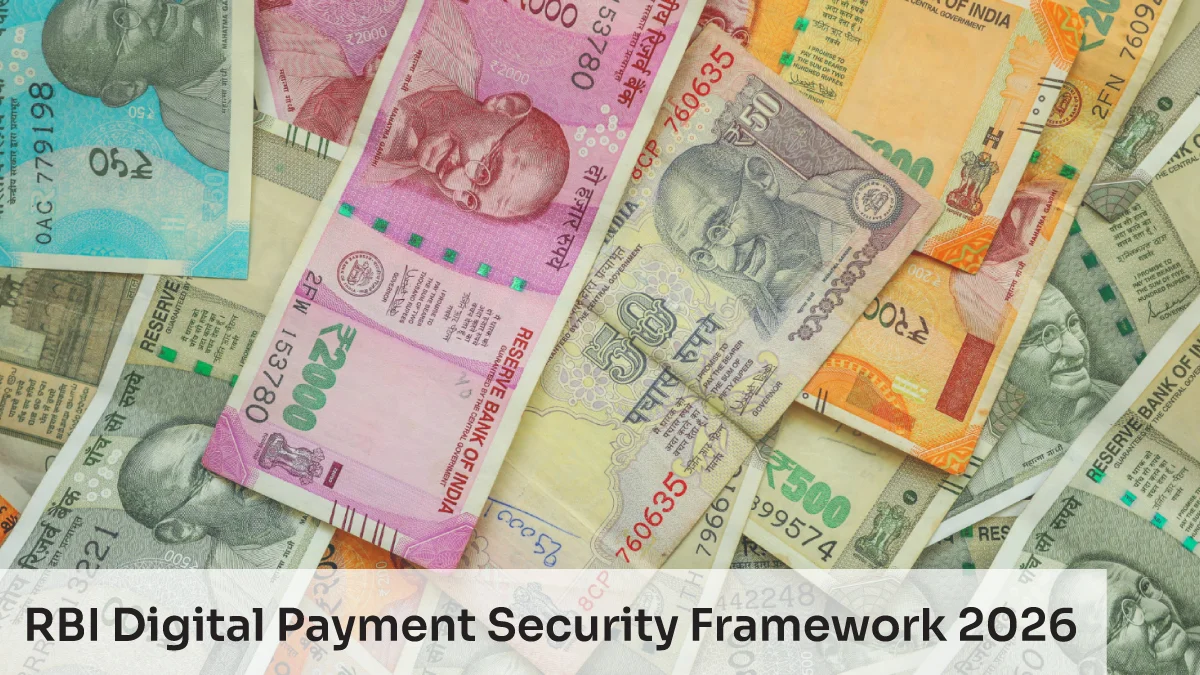
Breaking news for banking aspirants: The Reserve Bank of India (RBI) has announced a comprehensive new framework for digital payment security standards, marking a major shift in how India's financial ecosystem manages online transactions. Released on May 7, 2026, this framework is not just a regulatory update—it's a game-changer for the banking sector and a critical topic for competitive exam preparation. Whether you're preparing for SBI PO, IBPS Clerk, or RBI Grade B exams, understanding this framework is essential for scoring well in current affairs sections. In this comprehensive guide, we'll break down what this framework means, why it matters, and how it impacts the banking landscape.
📝 Editor's Note: This guide is based on my research of official sources and previous year patterns. Always cross-check critical information (eligibility, syllabus, fees) on the official examination authority website before making decisions.
What is the RBI Digital Payment Security Framework?
The RBI Digital Payment Security Framework 2026 is a consolidated set of guidelines designed to strengthen cybersecurity protocols across all digital payment systems operating in India. Unlike previous guidelines that were scattered across different circulars, this framework brings together best practices, compliance standards, and security benchmarks under one unified structure.
Key Components of the Framework
- Multi-factor Authentication (MFA) Standards: All digital payment platforms must implement enhanced MFA protocols, including biometric verification options beyond traditional passwords
- End-to-End Encryption Requirements: Mandatory encryption for all data in transit and at rest, with specific standards for encryption algorithms
- Cybersecurity Incident Reporting: Banks and payment service providers must report security breaches within 4 hours of detection
- Customer Data Protection: Stricter guidelines on how customer financial data is stored, accessed, and shared
- Third-Party Risk Management: Enhanced due diligence for fintech partners and payment gateway operators
- Real-Time Monitoring Systems: Mandate for continuous monitoring and anomaly detection in transaction patterns
This framework addresses growing concerns about fraud, data breaches, and cyber attacks that have plagued the digital payment ecosystem. The RBI's approach balances innovation with security—ensuring that India's digital payment infrastructure remains robust while supporting the growing fintech ecosystem.
Important Dates and Implementation Timeline
Understanding the timeline for compliance is crucial for exam questions and real-world banking scenarios.
| Event | Date | Details |
| Framework Announcement | May 7, 2026 | RBI announces comprehensive digital payment security standards |
| Initial Compliance Phase | June 30, 2026 | Tier-1 banks must comply with MFA and encryption standards |
| Secondary Compliance Phase | September 30, 2026 | All scheduled commercial banks and payment service providers |
| Full Implementation | December 31, 2026 | Mandatory compliance across all digital payment platforms, including fintech companies |
| Compliance Review Audit | January 2027 | RBI will conduct comprehensive audits of all regulated entities |
Regulatory Enforcement Mechanism
Banks and payment providers failing to comply by the deadline face penalties ranging from ₹5 lakhs to ₹2 crores, depending on the severity of non-compliance. This makes the framework not just a recommendation but a binding regulatory requirement.
Who Does This Framework Apply To?
The framework isn't limited to just banks. It covers a broad spectrum of entities in the digital payment ecosystem:
- Scheduled Commercial Banks (both public and private)
- Payment Service Providers (PSPs)
- Fintech Companies offering digital wallet services
- Third-party payment aggregators and gateways
- Non-Banking Financial Companies (NBFCs) offering digital lending with payment features
- Government payment portals and e-commerce platforms processing payments
- Cryptocurrency exchange platforms (subject to existing regulations)
This broad applicability means the framework will reshape how the entire financial services industry operates. For exam preparation, understanding the scope helps answer "Who is responsible for compliance?" type questions accurately.
Core Security Standards Explained
Multi-Factor Authentication (MFA)
The framework mandates that all digital payment transactions exceeding ₹50,000 must go through at least two independent authentication methods. These can include:
- Password + OTP (One-Time Password)
- Biometric (fingerprint or facial recognition) + PIN
- Security questions + SMS verification
- Device fingerprinting + behavioral analysis
Encryption Standards
AES-256 encryption becomes the minimum standard for sensitive financial data. The framework also specifies TLS 1.3 or higher for data transmission between systems.
Incident Response Protocol
Any cybersecurity incident affecting customer data must be:
- Reported to RBI within 4 hours of discovery
- Disclosed to affected customers within 24 hours
- Reported to law enforcement agencies if criminal activity is suspected
- Documented with a detailed remediation plan within 10 days
Impact on Banking Sector and Financial Markets
Positive Implications
- Enhanced Consumer Trust: Stronger security measures will increase confidence in digital banking
- Reduced Fraud Losses: Banks reported ₹3,847 crores in fraud losses in 2025; stricter standards should reduce this
- Competitive Advantage: Banks fully compliant early can market themselves as secure
- Fintech Integration: Clear standards enable safer collaboration between traditional banks and fintech companies
Challenges and Implementation Costs
- Infrastructure Investment: Banks estimate ₹500 crores to ₹2,000 crores in compliance costs
- Talent Shortage: Demand for cybersecurity professionals will spike significantly
- Legacy System Updates: Older banking systems may require complete overhauls
- Customer Adjustment Period: Enhanced authentication may initially slow transaction processing
How This Affects Exam Preparation
Current Affairs Importance
For SBI PO, IBPS PO/Clerk, and RBI Grade B exams, this framework will likely appear in:
- General Awareness Section: Direct questions about RBI's new digital payment standards
- Banking Awareness: How banks implement these standards and their operational impact
- Case Study Questions: Scenario-based questions about security incidents and compliance
- Essay/Descriptive Papers: Essays on "Digital Payment Security in India" or "Role of RBI in Fintech Regulation"
Key Concepts to Memorize
| Concept | Key Point | Exam Relevance |
| Framework Launch Date | May 7, 2026 | High probability in "Current Events" questions |
| Full Compliance Deadline | December 31, 2026 | Important for timeline-based questions |
| Minimum Encryption Standard | AES-256 + TLS 1.3 | Technical banking knowledge questions |
| Incident Reporting Time | 4 hours to RBI | Regulatory compliance scenarios |
| Transaction Threshold for MFA | ₹50,000 and above | Factual recall questions |
Preparation Strategy for Exams
Short-Term Tips (Next 2-3 Weeks)
- Read the Official Circular: Access the RBI's official notification on rbi.org.in and make key notes
- Create a Timeline: Note all important dates (announcement, compliance phases, deadline)
- Keyword Mastery: Memorize technical terms like "AES-256," "TLS 1.3," "MFA," "End-to-End Encryption"
- Numerical Facts: Remember ₹50,000 threshold, 4-hour reporting window, ₹5 lakh to ₹2 crore penalties
Medium-Term Strategy (1-3 Months)
- Comparative Analysis: Compare this 2026 framework with previous RBI guidelines (2020-2024)
- Real-World Application: Research how banks are responding (news articles, press releases)
- Mock Practice: Solve banking exam mock tests focusing on current affairs sections
- Current Affairs Compilation: Maintain a dedicated notebook on fintech and regulatory updates
Long-Term Approach (3-6 Months)
- Connect with Broader Concepts: Link this to RBI's monetary policy, financial inclusion, and digital India initiatives
- Track Implementation News: Follow banking news daily to understand real-world compliance challenges
- Expert Analysis: Read opinion pieces from banking sector experts on implications
- Revision Schedule: Revise this framework 1-2 weeks before your exam
Career Opportunities Emerging from This Framework
The RBI's new framework isn't just exam content—it's creating real job opportunities in the banking sector:
- Cybersecurity Officers: Banks will hire specialists to implement and monitor security protocols
- Compliance Managers: Regulatory compliance roles will expand significantly
- Risk Assessment Analysts: New positions to evaluate third-party fintech partners
- Incident Response Managers: Dedicated teams for cybersecurity incident management
- Data Protection Officers: Mandated roles under the framework's customer data provisions
For banking aspirants, clearing exams like SBI Clerk or IBPS can lead to rapid promotion into these specialized roles, making them attractive career paths.
Frequently Asked Questions
What is the RBI Digital Payment Security Framework 2026?
It's a unified set of cybersecurity guidelines released by the Reserve Bank of India on May 7, 2026, that standardizes security practices across all digital payment systems in India. The framework mandates multi-factor authentication, end-to-end encryption, rapid incident reporting, and enhanced customer data protection measures for all regulated payment entities.
When does the framework become mandatory for all banks?
Full compliance is mandatory by December 31, 2026. However, Tier-1 banks must comply by June 30, 2026, and all other banks by September 30, 2026. The RBI has implemented a phased approach to allow entities time for system upgrades and training.
Which organizations must comply with this framework?
All scheduled commercial banks, payment service providers, fintech companies offering digital payments, payment aggregators, non-banking financial companies with payment features, and government payment portals must comply. This covers virtually every entity handling digital financial transactions in India.
What are the penalties for non-compliance?
Organizations failing to comply face penalties ranging from ₹5 lakhs to ₹2 crores, depending on the severity and nature of non-compliance. The RBI conducts audits starting January 2027 to verify compliance, and penalties are strictly enforced.
How should I prepare for exam questions on this topic?
Focus on memorizing the announcement date (May 7, 2026), compliance deadlines, the ₹50,000 transaction threshold for mandatory MFA, the 4-hour incident reporting requirement, and key technical terms like AES-256 encryption. Read the official RBI circular and practice with current affairs quizzes covering banking regulations.
Will this framework affect how I conduct online banking transactions?
Yes, indirectly. Transactions above ₹50,000 will require additional authentication steps, which may slightly slow the process initially. However, the framework ultimately makes digital banking safer by reducing fraud risks. Most customers will notice enhanced security features like biometric verification becoming standard across banking apps.
Final Takeaway for Exam Aspirants
The RBI's May 2026 Digital Payment Security Framework is more than just regulatory news—it's a window into how India's financial system is evolving. Understanding this framework demonstrates awareness of current banking trends, regulatory environment, and technological advancement. For competitive exam candidates, it represents high-probability exam content that can directly impact your general awareness and banking knowledge scores.
Make this framework a core part of your current affairs preparation, stay updated with banking sector news, and regularly revise the key dates and technical specifications. Banks are actively recruiting professionals who understand these regulatory frameworks, so mastering this knowledge positions you well for both exam success and a promising career in the banking sector.
📌 Source: Information based on latest reports and official notifications as of 07 May 2026. For the most accurate and updated details, candidates are advised to visit the Reserve Bank of India (RBI) Official Website. iGET is a learning resource portal — we do not represent any official authority. Verify all dates, eligibility, and procedures from official sources before applying.
A Delhi-based developer building an honest, no-chaos study platform for Indian competitive exams. I personally review every post on iGET to ensure accuracy. Spot an error? Email me directly.